

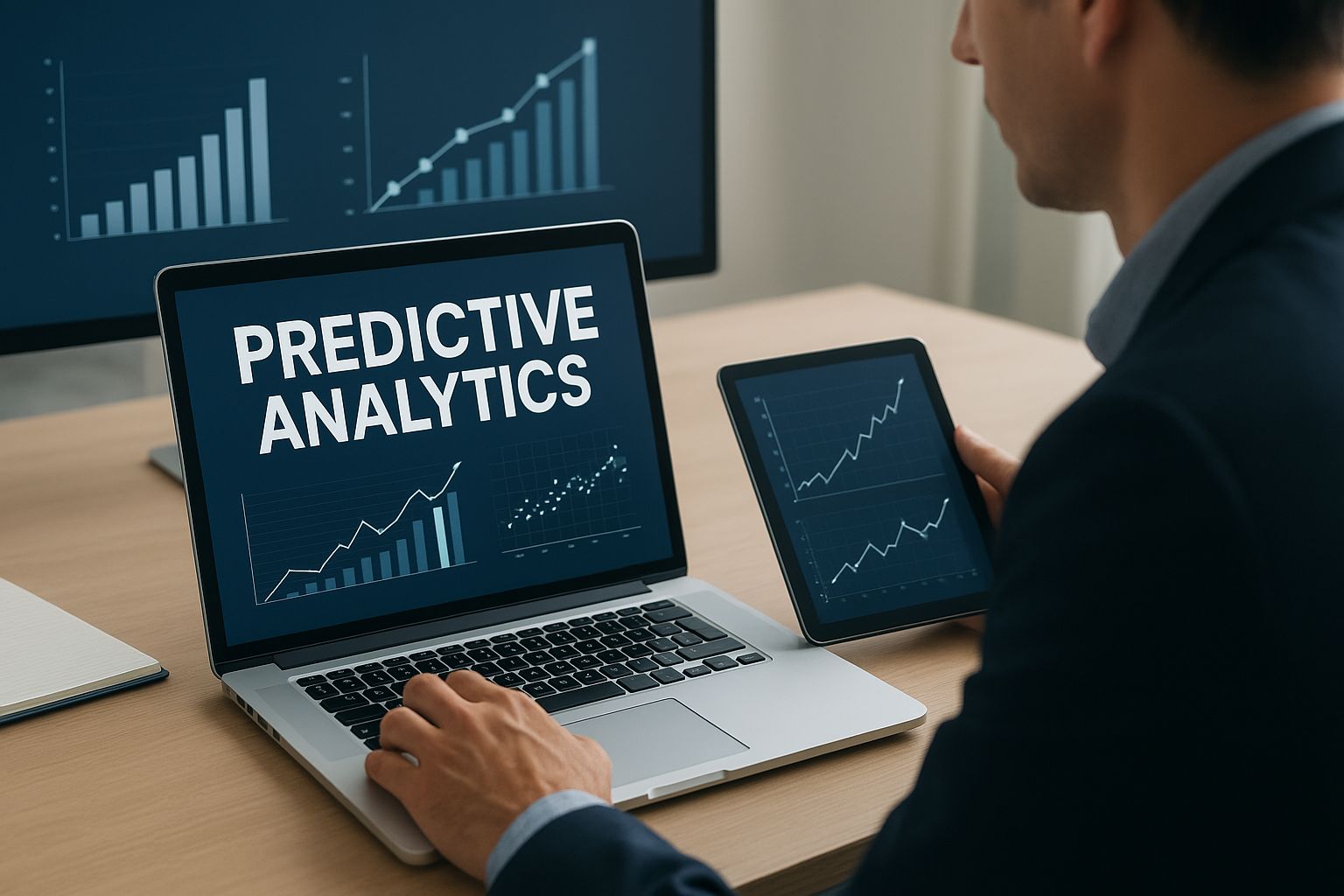
Predictive analytics has emerged as a pivotal force in the realm of big data, providing organizations with the ability to harness data-driven insights to guide strategic business decisions. As businesses increasingly seek to turn data into actionable intelligence, predictive analytics is playing a critical role in this transformation.
The expansion of predictive analytics capabilities is reshaping how companies approach their data strategy. By deploying advanced algorithms and machine learning models, businesses can identify patterns and trends from vast datasets, thus anticipating future outcomes with a level of accuracy that was previously unattainable.
One significant trend impacting the field is the democratization of these analytical tools. Cloud-based solutions and platforms have started to make predictive analytics accessible to firms of all sizes. This shift allows small to medium enterprises (SMEs) to compete on a more level playing field with larger competitors who traditionally had better access to advanced data analytics.
For example, sectors such as retail and supply chain management have seen substantial improvements through the application of predictive models to anticipate consumer demand, optimize inventory levels, and streamline logistics. This not only enhances operational efficiency but also reduces costs associated with overstocking or stockouts.
Financial services institutions are also increasingly reliant on predictive analytics to manage risk and detect fraud. By analyzing customer transactions and behavior patterns, banks can develop more sophisticated fraud prevention strategies while tailoring customer experiences with personalized offerings.
However, the successful implementation of predictive analytics hinges on robust data governance frameworks. Organizations must assure data quality, integrity, and security to derive accurate insights. This necessitates a comprehensive approach to data management, combining technology tools with regulatory compliance to mitigate risks associated with data breaches or misuse.
Despite its transformative potential, there are challenges to consider. The integration of predictive analytics requires a clear vision and commitment across all levels of an organization. Decision-makers must foster a culture that values data-driven insights, involving cross-functional teams in the design and execution of analytic strategies.
As predictive analytics continues to evolve, businesses are discovering new opportunities to leverage these capabilities for competitive advantage. Those who can successfully integrate these tools into their strategic framework will undoubtedly find themselves at the forefront of innovation, capitalizing on the power of data to drive growth and efficiency.
To remain competitive in a data-centric world, organizations must invest in both the technology that enables predictive analytics and the skills necessary to interpret and act on these insights effectively. As industries continue to harness this technology, the ability to turn foresight into actionable strategies will define market leaders of tomorrow.

