

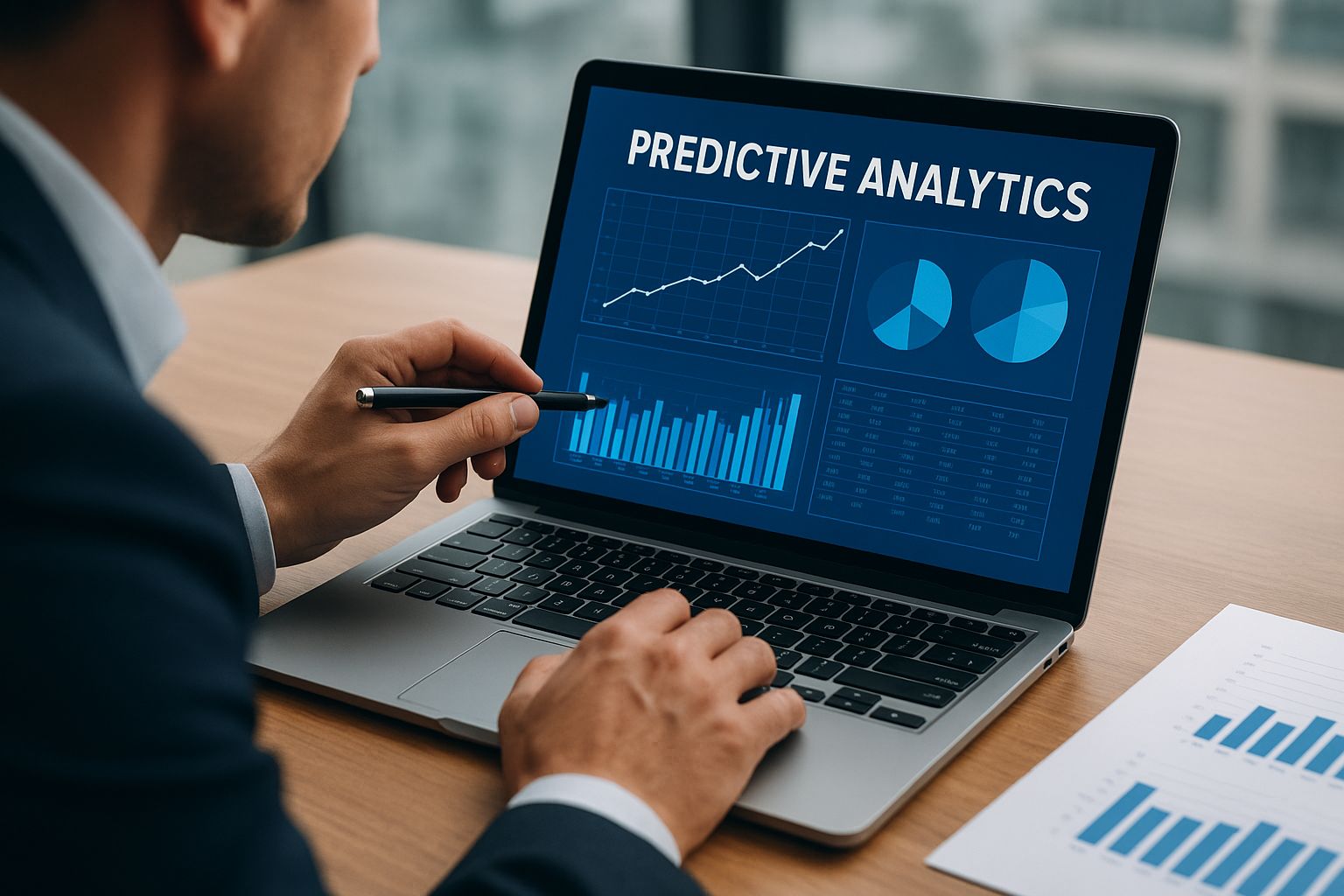
In the rapidly evolving landscape of business analytics, predictive data insights have emerged as a critical factor distinguishing successful companies from their less nimble counterparts. The capacity to forecast future trends and behaviors based on historical and real-time data is transformative, particularly as firms navigate a world increasingly influenced by digital transformations.
Predictive analytics, as a subset of advanced analytics, utilizes a variety of statistical techniques, including machine learning, data mining, and modeling, to analyze current and historical facts to predict future events. This capability offers businesses unprecedented foresight, allowing them to make proactive decisions rather than reactive ones.
In the context of corporate strategy, predictive analytics is being leveraged not only to enhance customer engagement through personalization and targeted marketing but also to streamline supply chain efficiencies, optimize inventory levels, and mitigate risks. For instance, leading retailers are employing predictive analytics to determine optimal stock levels and forecast future demand fluctuations based on analysis of buying patterns and market conditions. This not only ensures resource optimization but also minimizes wastage and enhances cost efficiencies.
Furthermore, recent advancements have seen predictive analytics becoming more accessible to a diverse range of industries through user-friendly platforms, fostering its adoption beyond analytics experts. Cloud-based analytics solutions, with their scalable infrastructure and advanced capabilities, allow even small and medium-sized enterprises to harness the power of predictive insights without substantial upfront investments.
A notable example is Ford Motor Company, which employs predictive analytics to enhance its manufacturing process by anticipating equipment breakdowns before they occur. This preventative strategy reduces downtime and maintenance costs. Similarly, in the healthcare sector, predictive models are utilized to forecast patient admissions and optimize staffing levels, leading to both improved patient care and operational efficiencies.
The integration of AI-driven predictive analytics is further revolutionizing the field by enabling real-time decision-making. AI models are capable of learning from new data inputs continuously, offering dynamic and adaptable insights – a vital trait in today’s fast-paced market environments.
As organizations continue to explore the potential of predictive analytics, the focus is also shifting towards ethical considerations and data governance. Protecting user privacy and addressing biases in predictive models remain significant challenges that require rigorous oversight and compliance with evolving data protection regulations.
For businesses intent on leveraging analytics for competitive advantage, investing in the right technologies and fostering a data-centric culture are crucial. Organizations that prioritize these strategic initiatives are better poised to capitalize on their data assets, driving sustainable growth and resilience in an unpredictable market landscape.

